
Advancing Agroecology through Human Rights
PNFSP and CHR Partnership Elevates Agroecology in National Dialogue
The Philippine Network of Food Security Programmes (PNFSP), a Solidagro partner, has made strides in advancing agroecology and food rights by strengthening its collaboration with the Commission on Human Rights (CHR) through regular policy dialogue and engagement.

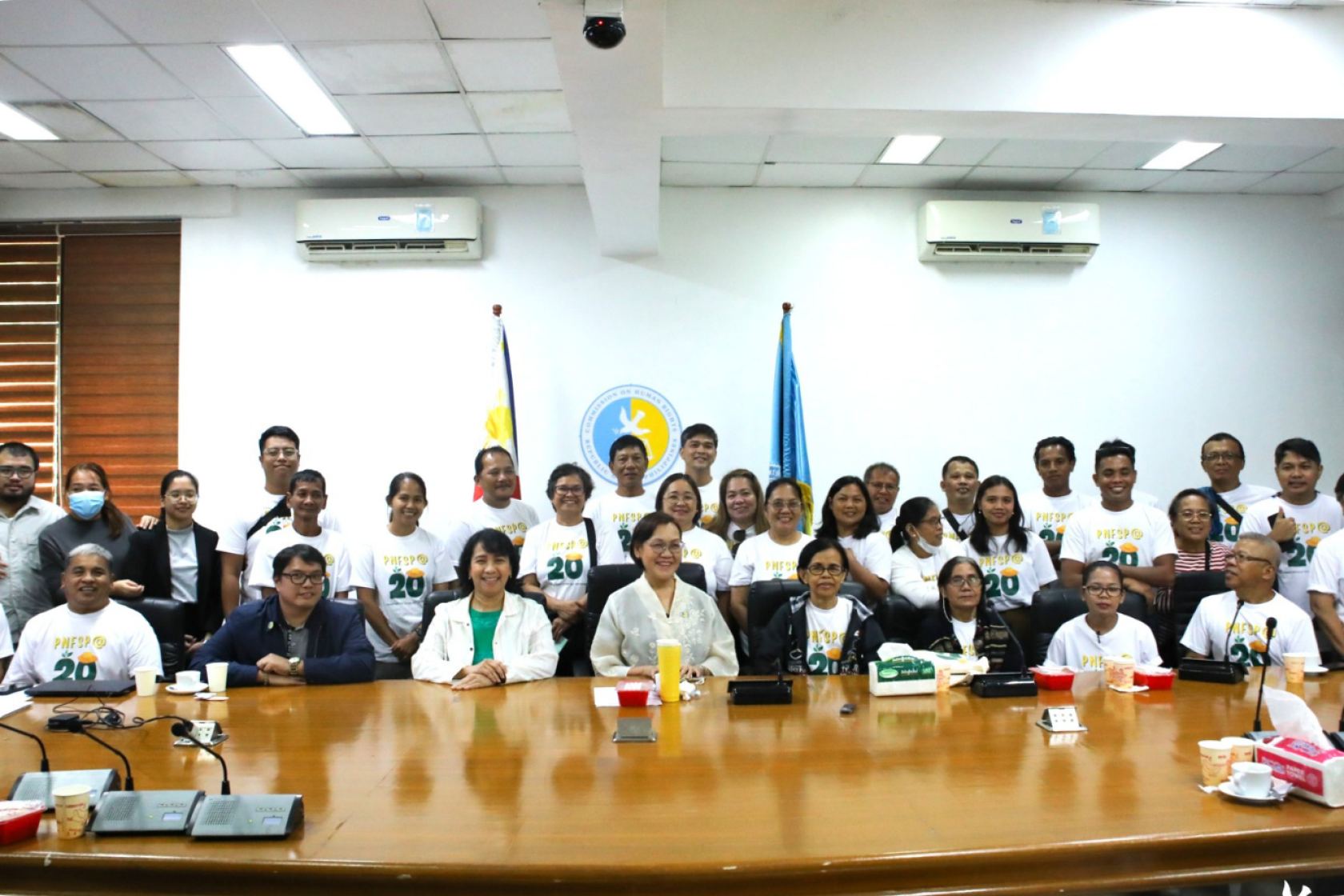
The CHR is an independent constitutional body mandated to protect and promote human rights in the Philippines. While it is often associated with civil and political rights, its mandate also extends to economic, social, and cultural rights, including the right to food.
Over the past several years, the CHR has increasingly placed a greater emphasis on food security and the right to food as integral components of human rights and social justice. This growing commitment has created important opportunities for engagement between civil society organizations, including PNFSP, and the CHR, helping elevate food security concerns within the national human rights agenda.
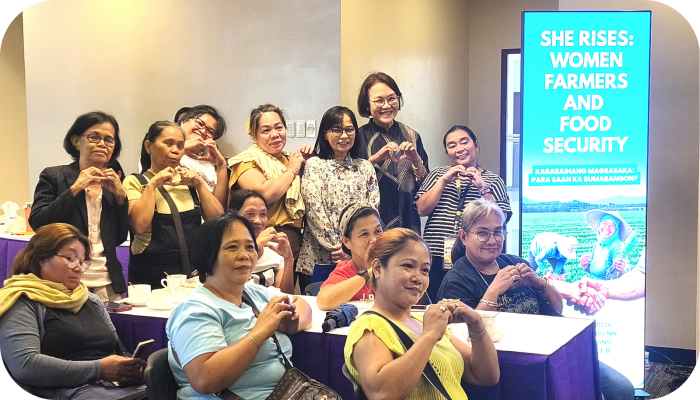
Consultations matter because policies gain meaning when shaped by grassroots voices. Direct participation ensures citizens are heard, not sidelined
Angeli Mendoza, Project Coordinator of Urban Poor Resource Center(PNFSP member organization)
Since last year, PNFSP and the CHR have held monthly dialogues that allow communities to share experiences and push for policies that support agroecology, sustainable agriculture, biodiversity protection, and the right to adequate and nutritious food.
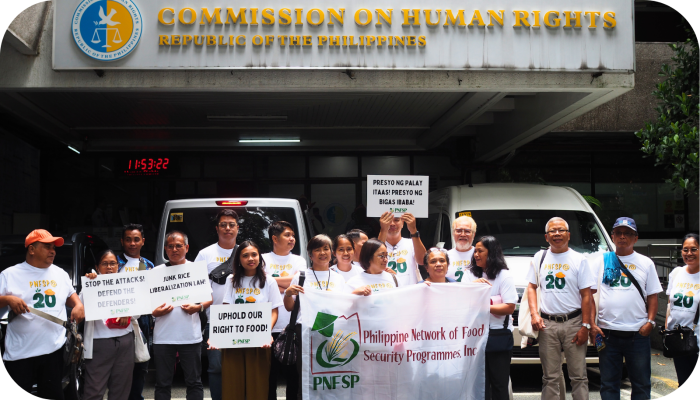
The partnership has generated several important outcomes:
• Elevated the right to food into national discourse, despite its absence in Philippine law, by framing it as a state obligation to protect livelihoods, ensure access to nutritious food, and prioritize vulnerable sectors.
• Amplified grassroots voices in policy spaces, enabling farmers, fisherfolk, Indigenous Peoples, women, and urban poor communities to bring their lived experiences directly into discussions on food security, agroecology, and human rights.
• Expanded reach through CHR-led regional consultations, enabling communities, including those in Mindanao, to raise concerns directly before the Commission, increasing awareness of remedies and human rights mechanisms.
• Generated policy recommendations on pressing issues such as land access, militarization, land conversion, and development projects that threaten traditional livelihoods and food security.
• Strengthened advocacy for urban food systems, with urban poor communities pushing for government support in urban gardening, community-based food production and marketing, and secure land access.
• Built new alliances and expanded solidarity networks, connecting PNFSP and its members with a wider range of civil society and humanitarian organizations. This has enabled stronger collaboration on food security and relief efforts, including support from organizations such as the Philippine Food Bank Foundation for PNFSP’s relief mission in Cebu City following devastation caused by a powerful typhoon.
PNFSP’s partnership with the CHR advances agroecology through a human rights approach, linking community realities with policy discussions. It highlights the connection between sustainable food systems, environmental protection, and human rights, while ensuring that community voices remain central to food systems transformation.