What International Solidarity Can Mean for Farmers in the Philippines
In my capacity as coordinator of Solidagro, I visited the Philippines in November. In Davao Oriental, through our partner MASIPAG, we spoke to one of the many farming communities that are under close military surveillance. Many of these communities are being intimidated to prevent them from organising. Through our network and our position, we can help ensure their safety.

Over the past few years, Solidagro has been clarifying its roles and added value in its relationships with international partners. One of the roles we identified is that of a “watchdog”: helping to protect the space for civil society to operate freely by monitoring situations from the outside and offering some protection against intimidation and human rights violations.
During my visit to the Philippines in November 2026, we put this role into practice. We mobilised several Belgian actors around our partner MASIPAG, helping to strengthen the organisation’s credibility and protection against red-tagging in our future programme.
When standing up for farmers’ rights becomes dangerous
In November 2026, I visited our partners in the Philippines to gain a better understanding of their work and the challenges they face. I learned that promoting organic agriculture can be perceived as radical left-wing and even associated with rebel militant groups, especially when organisations adopt a rights-based approach[1] to defending the rights of small-scale farmers.
This creates difficulties for our partners when they support farmers' groups in organising themselves and learning about sustainable farming practices. Gatherings of farmers can be closely monitored by the police and military, which can be extremely intimidating for small-scale farmers. In some cases, activities even have to be suspended due to increased militarisation in these communities.
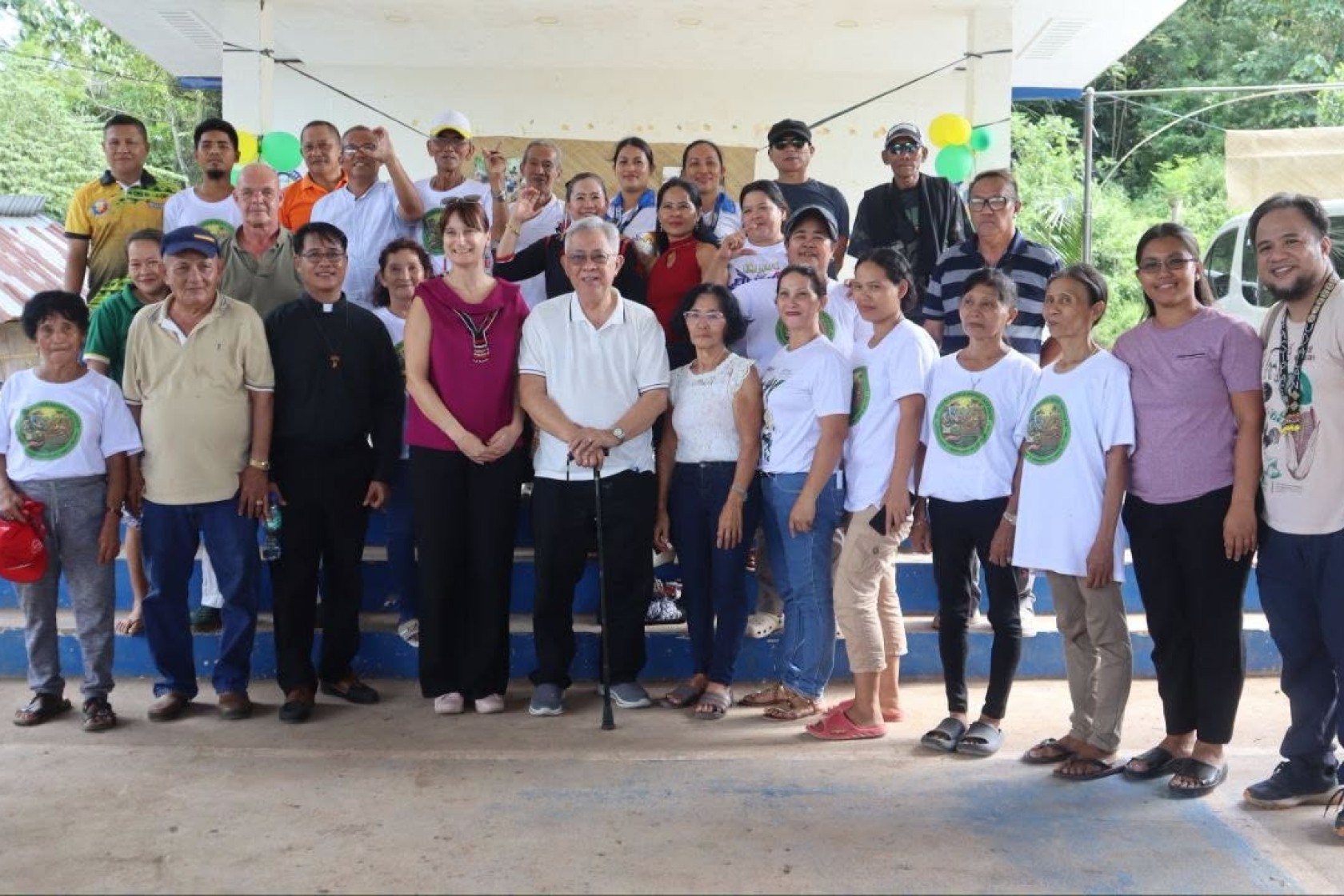
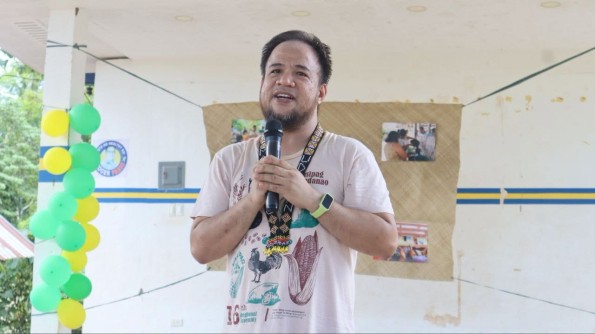
Our farmers hope it's not the last time the embassy, DGD and Solidagro visit them. We are looking forward to more collaborations,
especially in these trying times with climate change among other challenges for farmers. Our deepest gratitude goes out to Team BelgiumLeo Fuentes, regional coordinator Masipag Mindanao
Our partner Masipag has experienced this type of intimidation practices for years. In some communities they have had to lay down their work; still they do not give up. In the Davao Oriental province on the Mindanao island Masipag has been working with small farming communities within our common program for the past few years. Local government units (LGUs) have watched this with reluctance and even suspicion, often causing obstruction.
Building trust together
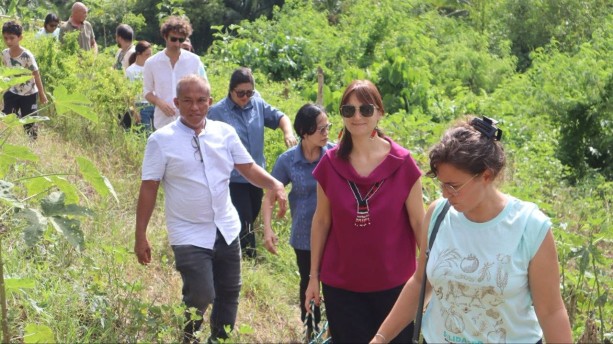
Solidagro visited these communities, and organised the visit in collaboration with a representative from the Belgian government (DGD) as well as the Belgian ambassador in the Philippines. During this visit, we spent time in the communities, talking to the farmers about their challenges and struggles. Both the ambassador as DGD were enthusiastic about the grassroots-work of Masipag, sending a strong message to LGUs, which helps legitimise their work and presence in the area.
Through the backing of Masipag by official Belgian actors, LGUs are warned that Belgian actors are watching and that intimidation and human rights violation will be flagged internationally. In addition, there is an assurance that their work is indeed orientated towards supporting small-scale farmers and agroecological food systems, and not a funding channel for terrorist organisations. This visit will pave the road for freer operations of Masipag for our next program together, thus helping protect part of the Philippine civil space.