Solidagro's mission is promoting
Agroecology
Biological, organic, regenerative agriculture, permaculture... It’s clear that we want to do better together, but sometimes it’s hard to make sense of all these terms. Agroecology goes beyond these terms and also encompasses political, social, and economic aspects.
How agro-ecological agriculture can save the climate
Why is agroecology ecologic?
- Agroecology reduces the use of and dependence on agricultural chemicals.
-
Agroecology supports biodiversity and healthy soils.
-
Agroecology strengthens the connections between people, animals and plants.
-
Agroecology improves water management by making better use of water and storing it.
-
Agroecology helps fight climate change.
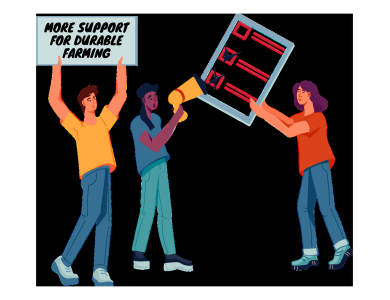
Waarom is agro-ecologie politiek?
- Agroecology puts control over seeds and land in the hands of farmers and citizens.
- Agroecology needs supportive policies and investment.
- Agroecology encourages farmers to make their voices heard in local and other decision-making bodies.
Why is agroecology a social movement?
- Agroecology strengthens the links between farmers and their communities.
- Agroecology encourages farmers to exchange knowledge and learn from each other.
- Agroecology promotes diversity and solidarity between farmers and communities and empowers women and young people.
What is the economic aspect of agroecology?
1. By growing a variety of crops instead of relying on monocultures, agroecology reduces the risk of income losses caused by pests and crop failures.
2. Agroecology gives farmers greater control over their resources, reducing their dependence on large companies for seeds, fertilisers and other farming inputs.
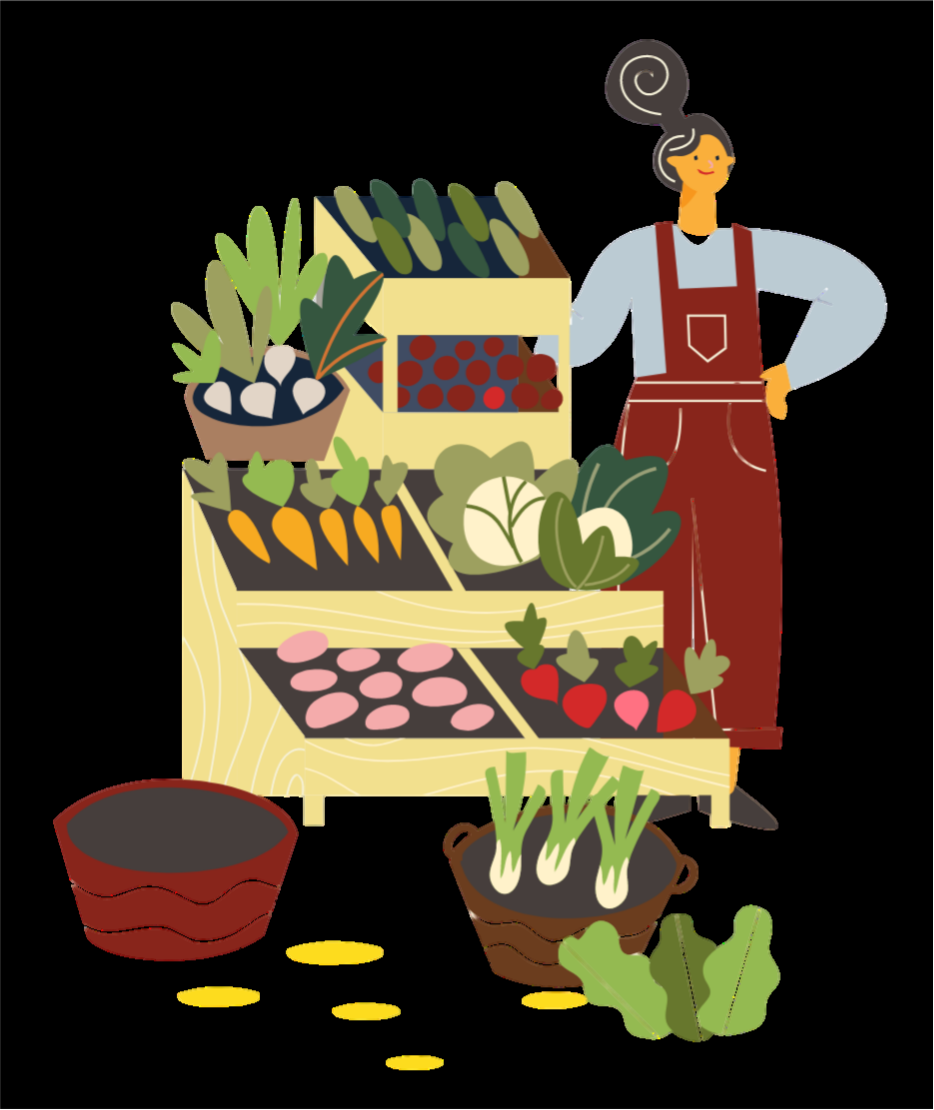
3. Agroecology strengthens local markets and encourages local food production and sales.
4. Agroecology promotes fair prices for farmers, helping them build financial resilience and invest in more sustainable farming practices.