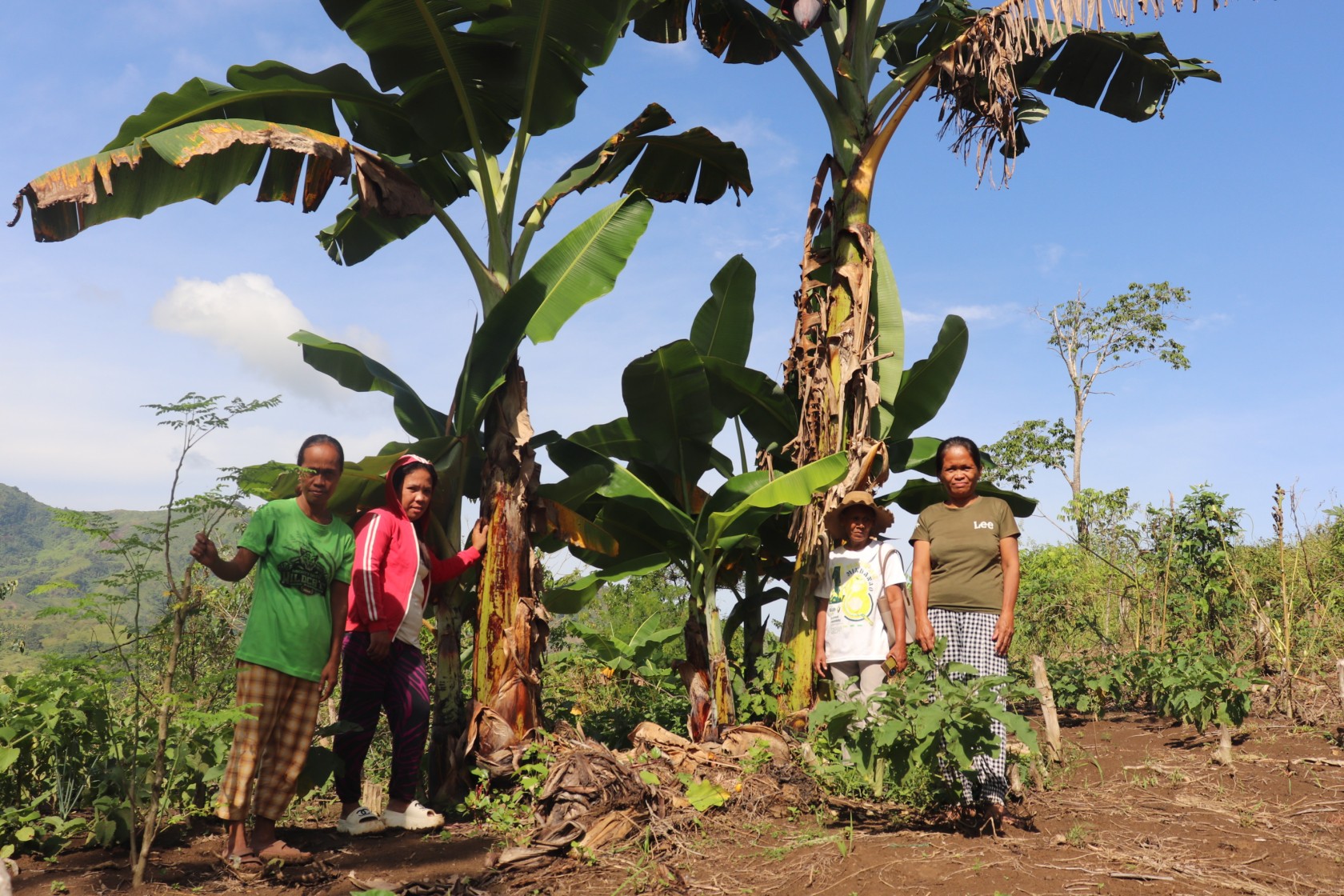
Video: Women opt for agroecology in Malapatan, the Philippines
Video: Women opt for agroecology in Malapatan, the Philippines
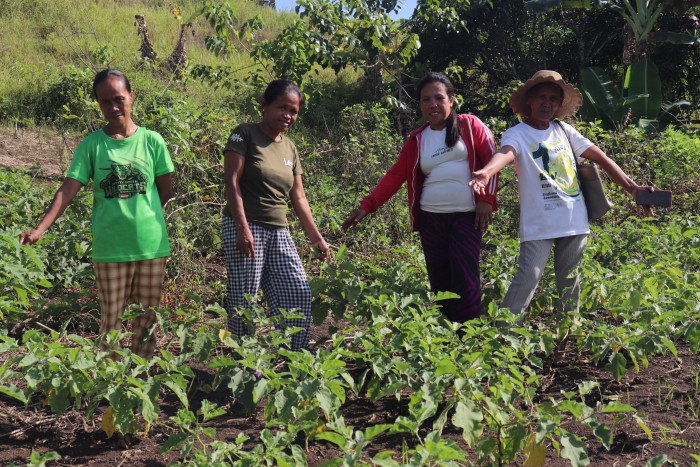
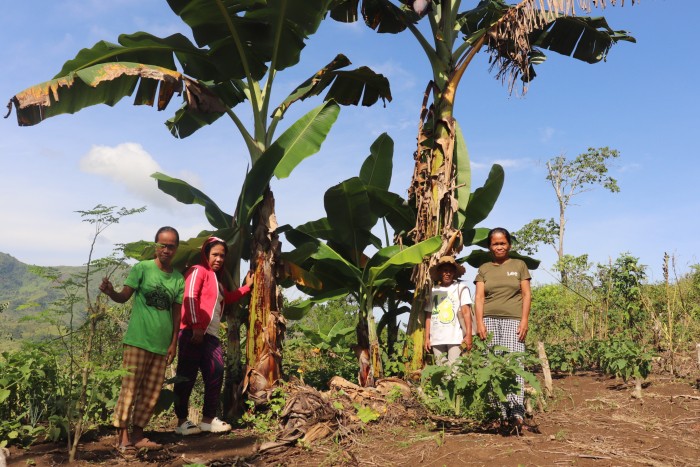
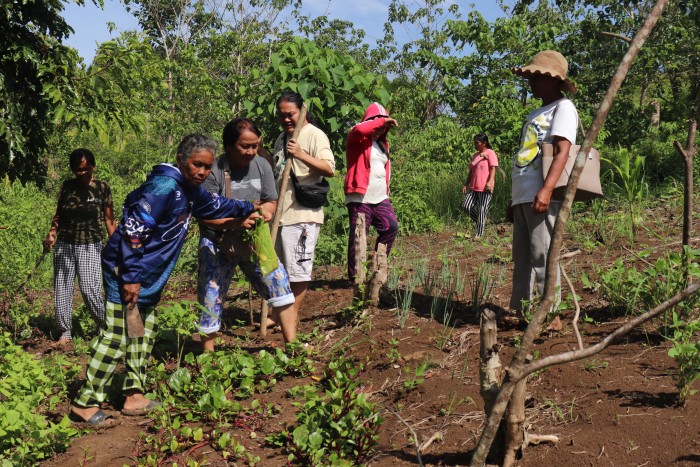
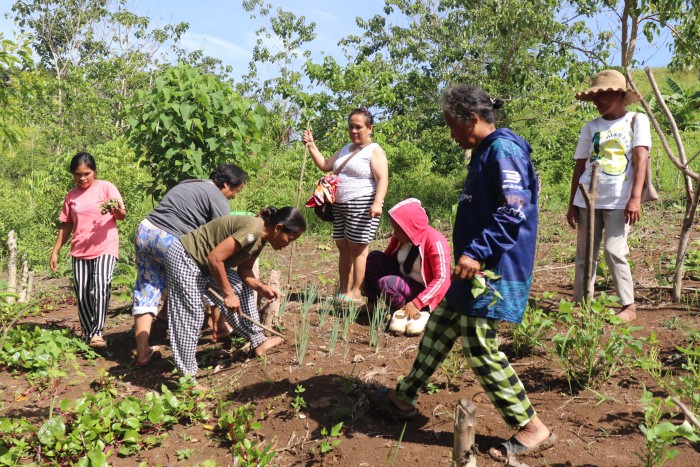
In Malapatan, on the Philippine island of Mindanao, the women’s group United Blaan Farmers Association is unstoppable. Whilst the region is dominated by maize monoculture, these women farmers are opting for agroecology. With support from Solidagro and our loyal partner Masipag Mindanao, they are building healthy soils, a strong community and a higher income.

Click on an image to enlarge and scroll through the photoalbum
Gerelateerde artikels
-
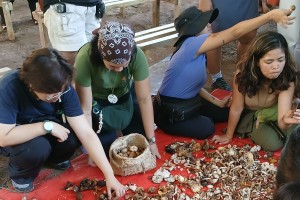
Reflection: What mushrooms teach us about agroecology
SOLIDAGRO partner Center for Development Programs in the Cordillera once again hosted Gulay Pa More (More Vegetables) at Kumbasa Noodle House in Sagada, Mountain Province last June. The gathering brought together camping, cultural exchange, agroecology discussions, community cooking, coffee trail hikes, farm immersions, and guided mushroom foraging, all rooted in sustainable living and Indigenous knowledge. This article is a reflection inspired by a guided mushroom-foraging experience.
-
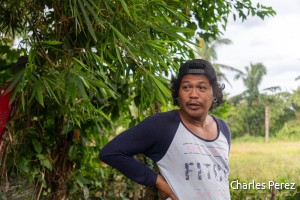
Filipino farmer Julius Borjal: “Farmers are willing to work differently, but don't get enough support.”
Julius Borjal is a former student of the Bicol Farmers School, supported by Solidagro. He has seen firsthand how the use of chemical fertilizers and pesticides affects agriculture in the Bicol region of the Philippines. According to him, some chemical fertilizers can acidify the soil. Pesticides, in turn, can kill beneficial soil organisms. It is precisely those organisms that keep the soil healthy and help crops grow.
-
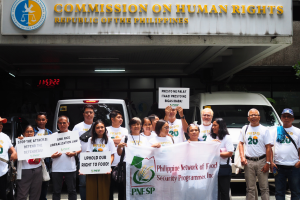
Advancing Agroecology through Human Rights
The Philippine Network of Food Security Programmes (PNFSP), a Solidagro partner, has made strides in advancing agroecology and food rights by strengthening its collaboration with the Commission on Human Rights (CHR) through regular policy dialogue and engagement.